There are several types of cataract surgery available today, each using different techniques and tools to restore clear vision. Understanding your options helps you make a more informed decision about your treatment. At Eagle Eye Care, our consultant will guide you towards the most suitable type of cataract surgery for your individual needs.
June 28, 2025
Types of Cataract Surgery

1. Phacoemulsification (Phaco).
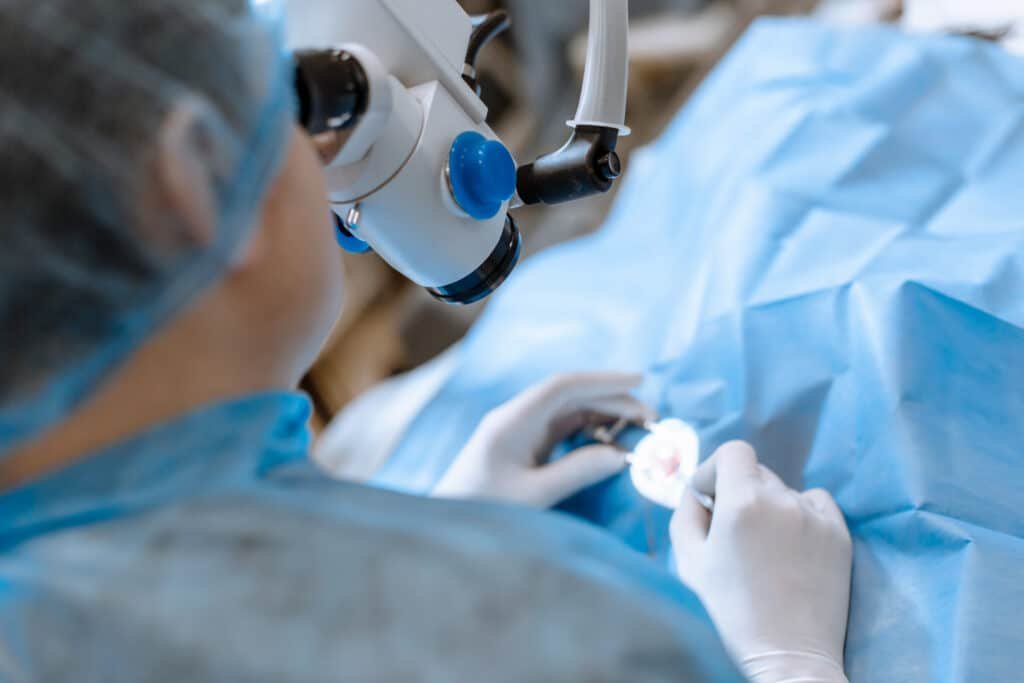
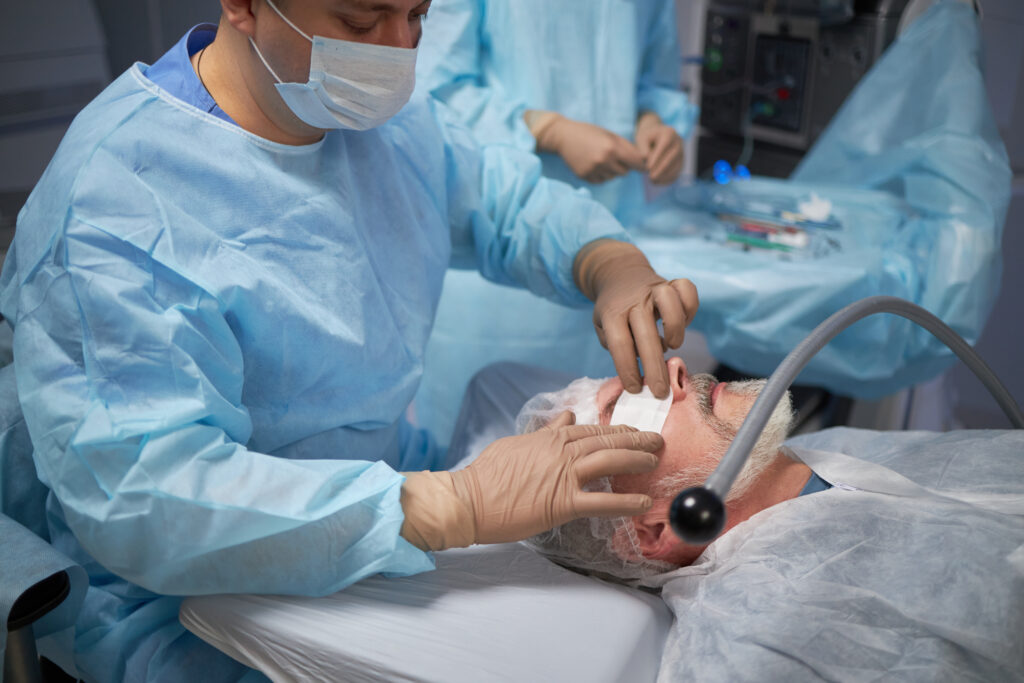
Phacoemulsification is the most common type of cataract surgery performed today. The surgeon uses a small ultrasonic probe to break up and remove the cloudy lens before replacing it with a clear artificial intraocular lens (IOL).
Procedure
a. Make a delicate incision in the cornea.
b. Remove the fragments using the probe.
c. Replace the natural lens with an intraocular lens (IOL).
2. Extracapsular Cataract Extraction (ECCE)
Extracapsular cataract extraction is typically used for more severe cataracts, where the lens is too dense to be broken up by ultrasound. Unlike phacoemulsification, this approach involves a larger corneal incision, allowing the surgeon to remove the lens in one piece.
Procedure
a. Make a more extensive cut in the cornea.
b. Extract the central portion of the lens precisely and undamaged.
c. Remove the soft lens material with precision.
d. Perform a surgical procedure to implant an intraocular lens (IOL) in the eye.
3. Laser Assisted Surgery
Laser-assisted cataract surgery enhances conventional techniques with greater precision and accuracy. In particular, the use of a femtosecond laser allows the surgeon to create the corneal incision, soften the lens for easier extraction, and position the intraocular lens (IOL) with improved accuracy.
Procedure
a. A femtosecond laser is utilised to create the corneal incision.
b. Uses laser energy to soften the lens, allowing for easier extraction.
b. Potentially increasing the accuracy of IOL placement.
IOLs are classified into four types:
- Monofocal,
- Multifocal,
- Accommodating
- Toric lenses.
Deciding which type of cataract surgery and which lens is right for you requires a thorough assessment of your individual eye health, prescription, and lifestyle. At Eagle Eye Care, our private eye test in Chesterfield is the first step in that process. Mr Manu Mathew will assess your eyes in detail and recommend the most appropriate surgical approach for you. Book your consultation today.
Each type has advantages and is chosen according to the patient’s individual requirements. Please schedule a free consultation to learn more about what will best meet your needs.
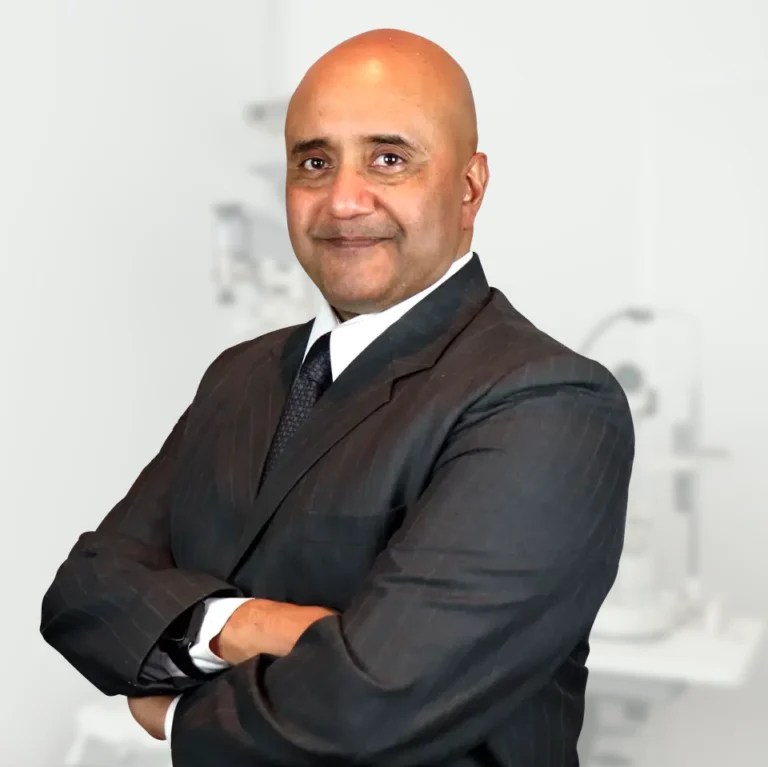
Manu Mathew is a specialist in cornea and glaucoma surgery, with a special interest in oculoplastic surgery, strabismus and medical retina.