



Our Services
Lens Replacement Surgery
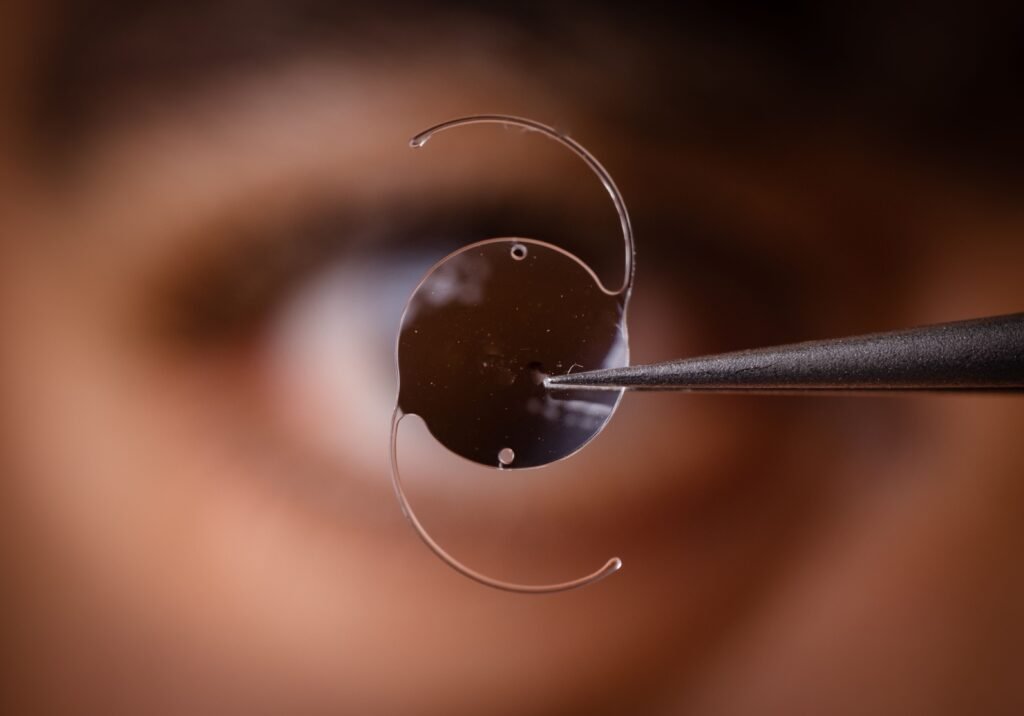
Lens surgery, also known as refractive lens exchange (RLE) or clear lens extraction (CLE), is a medical procedure in which the surgeon removes the natural lens of the eye and replaces it with an artificial intraocular lens (IOL). In addition to restoring clarity, the procedure also corrects refractive errors. As a result, it offers a safe and effective solution for a variety of vision problems, including astigmatism, myopia, hyperopia, presbyopia, and cataracts, ultimately improving quality of life by restoring clear vision.
Thinking about treatment? Download your free information pack today.
Consent Forms
Review the treatment process & acknowledge informed consent forms.
Insurance Information
Fill out the insurance information form before your appointment.
Pre-Appointment Checklist
Prepare for your appointment with our pre-appointment checklist.
Post-Procedure Care
Key steps for a smooth recovery after Lens Replacement Surgery.
Table of Contents
Pre-Operative Consultation
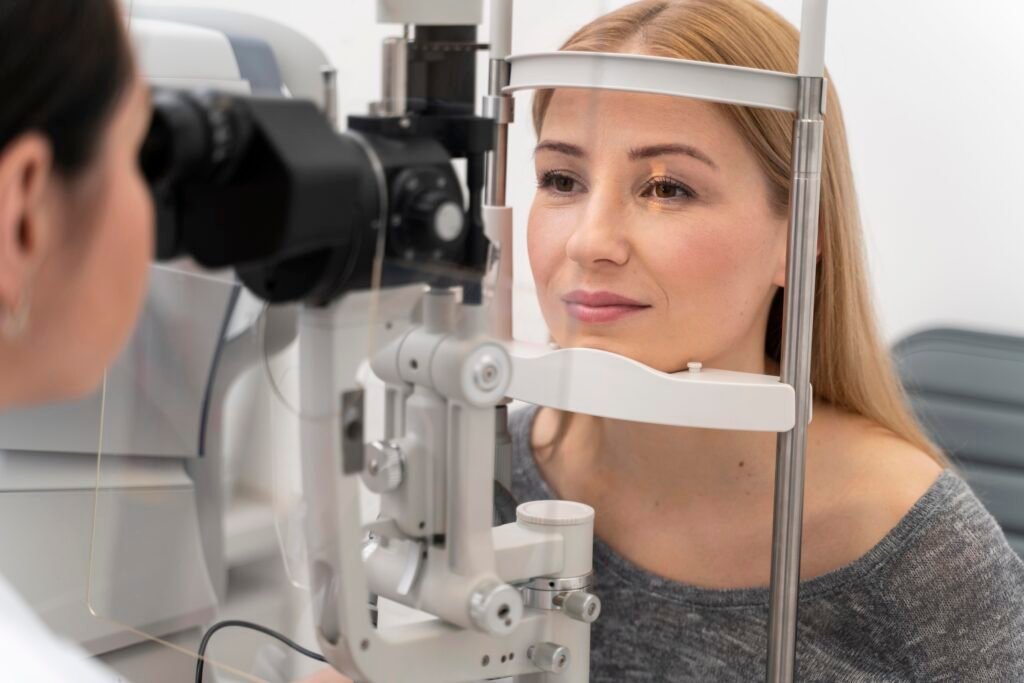
Consultation and Assessment Before surgery, our team carries out a thorough eye examination to assess your overall eye health and determine the most suitable IOL for your needs, whether monofocal, multifocal, or toric. We also take precise measurements to ensure the replacement lens fits your eye perfectly. Based on your eye health, lifestyle, and the measurements gathered at the pre-operative examination, the surgeon will then recommend the most appropriate intraocular lens.
Medication and Instructions In preparation for surgery, your surgeon may prescribe eye drops to prevent infection and reduce inflammation. Additionally, you should avoid wearing contact lenses for a few days beforehand, as advised by your surgeon. On the day of surgery, refrain from applying makeup, creams, or lotions around your eyes.
Transportation and Support Because your vision may be temporarily affected after surgery, you should arrange for someone to drive you home afterwards.
Surgical Procedure
Arrival and Preparation When you arrive at our clinic, a nurse will guide you through the preoperative steps. Our team applies anaesthetic eye drops to numb your eyes and, if needed, gives you a mild sedative to help you relax.
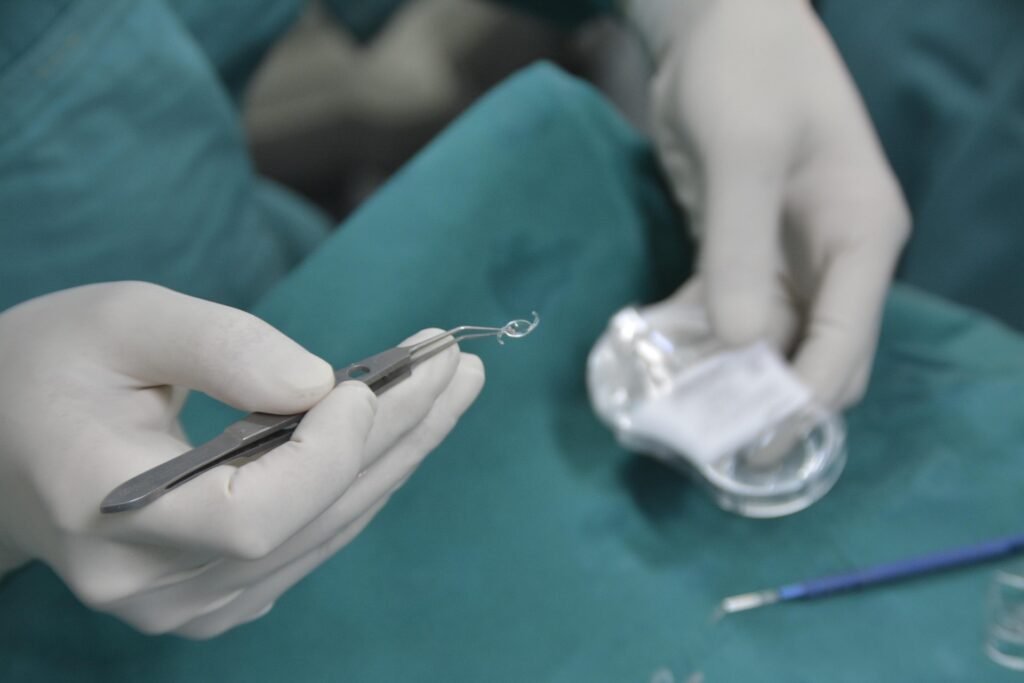
The Procedure The surgeon begins by creating a tiny incision in your eye using advanced techniques, typically with a laser or small blade. Using ultrasound energy, the surgeon then gently breaks the natural lens into small pieces and removes them, a process known as phacoemulsification. The surgeon then implants the artificial intraocular lens (IOL) in its place. Because the incision is usually self-sealing, stitches are rarely required.
Duration The surgery typically takes 15 to 30 minutes per eye. If both eyes require treatment, the surgical team usually schedules them on separate days.
Post Surgery & Recovery
Following postoperative instructions after lens surgery is crucial to ensure proper healing and the best possible outcome.
Immediate Aftercare After the procedure, you will rest in a recovery area for a short time before we discharge you. Our team will cover your eye with a protective shield to keep it safe.
First Few Days During the first few days, apply your eye drops as prescribed and avoid strenuous activities, heavy lifting, and bending over. Additionally, do not rub your eyes, and wear protective glasses or a shield, especially while sleeping.
Follow-Up Appointments Attending all follow-up appointments is essential to monitor the healing process and ensure the lens is functioning correctly. Based on your recovery progress, your surgeon may also recommend adjustments to your activities.
Vision Improvement Most patients notice improved vision within a few days, although full recovery may take several weeks. Depending on the type of lens implanted, you may still need glasses for certain tasks.
Step-by-Step: How Lens Replacement Surgery Works

Anaesthetic Eye Drops
Numbing eye drops are administered to ensure that the patient does not experience pain during the treatment
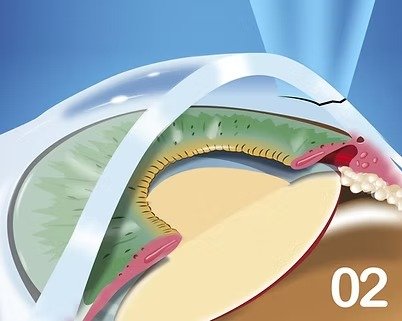
Capsulotomy
Capsulotomy involves creating a circular incision in the capsule surrounding the natural lens (capsulorhexis) for accessing and removing the natural lens.
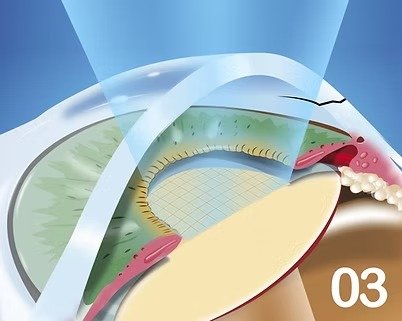
Phacoemulsification
High-frequency sound waves emitted by a handheld ultrasound device break up the lens into an emulsified gelatinous mass
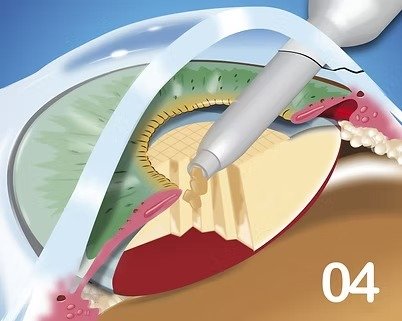
Lens Removal
The fragments of the natural lens are carefully suctioned out of the eye, leaving the empty lens capsule intact
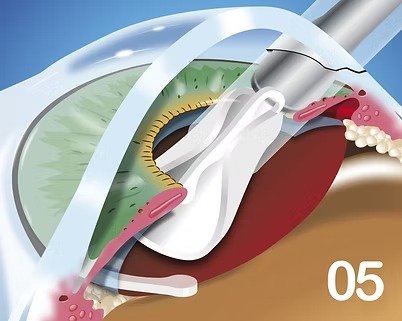
IOL Implantation
The chosen IOL, which has been folded for insertion, is inserted into the empty lens capsule using the same tiny incision
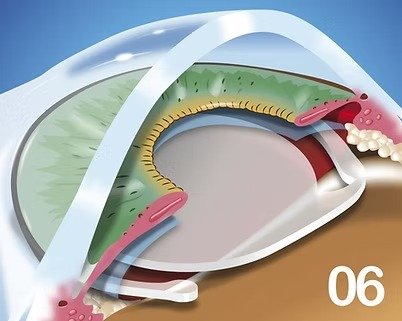
IOL Placement
The IOL gently unfolds into the capsular bag, replacing the natural lens completely in its proper position
Everything You Might Want to Know Before Your Consultation
Who Benefits from lens replacement surgery?
Lens surgery is an excellent option for individuals whose vision problems cannot be fully corrected with glasses or contact lenses. In particular, it benefits those with cataracts, refractive errors such as nearsightedness, farsightedness, or presbyopia, or those looking to reduce their dependence on glasses. Furthermore, it offers a strong alternative for individuals who are not suitable candidates for LASIK but are seeking long-term vision correction. To find out whether lens surgery is the right choice for you, we recommend booking a consultation with one of our eye specialists.
What types of Lens Surgery are there?
Refractive lens exchange (RLE) is ideal for individuals with refractive errors such as presbyopia, nearsightedness, or farsightedness. During the procedure, the surgeon replaces the natural lens with a premium intraocular lens (IOL) to enhance vision at multiple distances. In many ways, RLE is similar to cataract surgery, the most common type of lens surgery, which involves removing the eye’s cloudy lens and replacing it with a clear artificial lens. As a result, both procedures restore sharp visual clarity and often reduce the need for glasses, significantly improving quality of life.
What are the typical symptoms?
You may be eligible for lens surgery if you:
- Have refractive errors such as nearsightedness, farsightedness, or presbyopia that cannot be corrected with LASIK.
- Have cataracts that cause blurry vision and impact daily activities.
- Want to reduce dependence on glasses or contact lenses for clearer vision.
- Are in good overall health with no severe eye infections or uncontrolled medical conditions.
- Have stable vision with no significant changes in prescription over the past year.
Make an Enquiry
Please update your information to book a consultation or arrange a call back. Providing complete details will help us assist you better.
