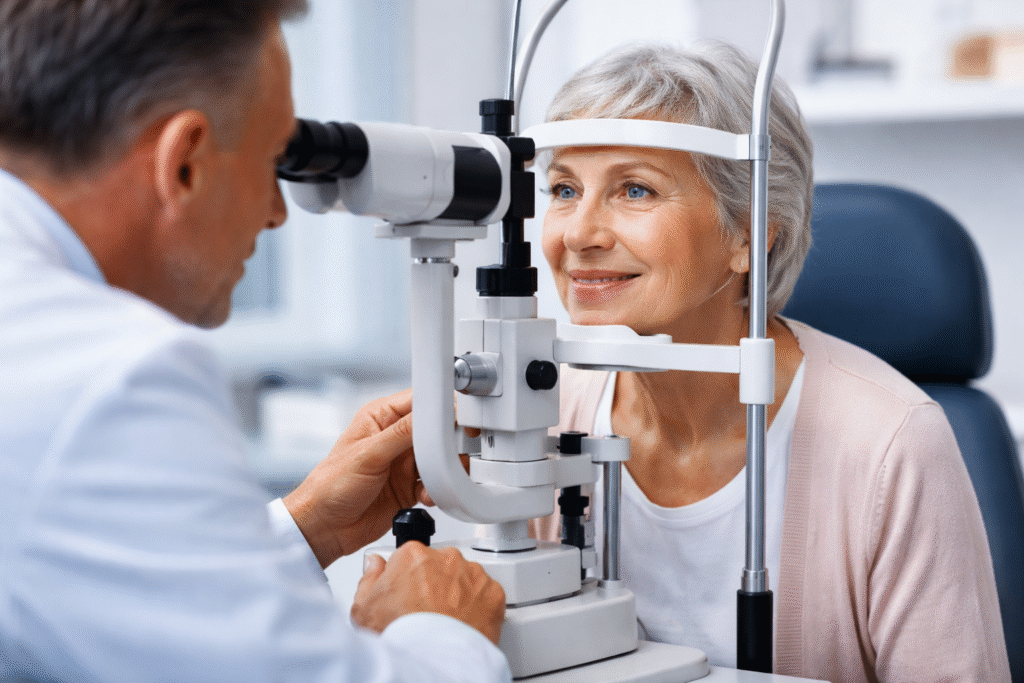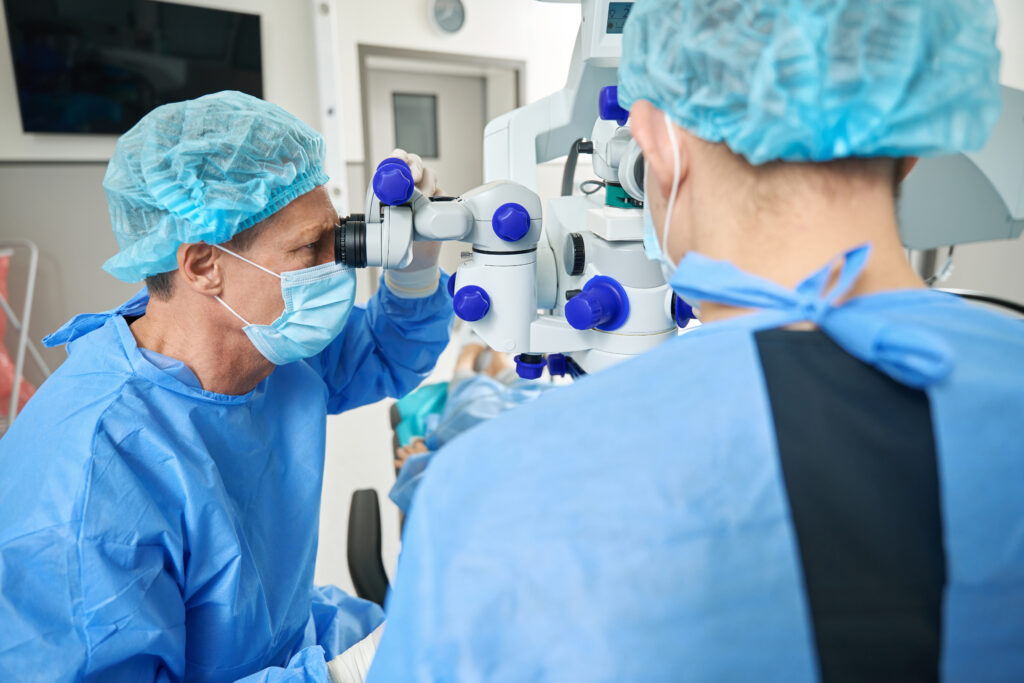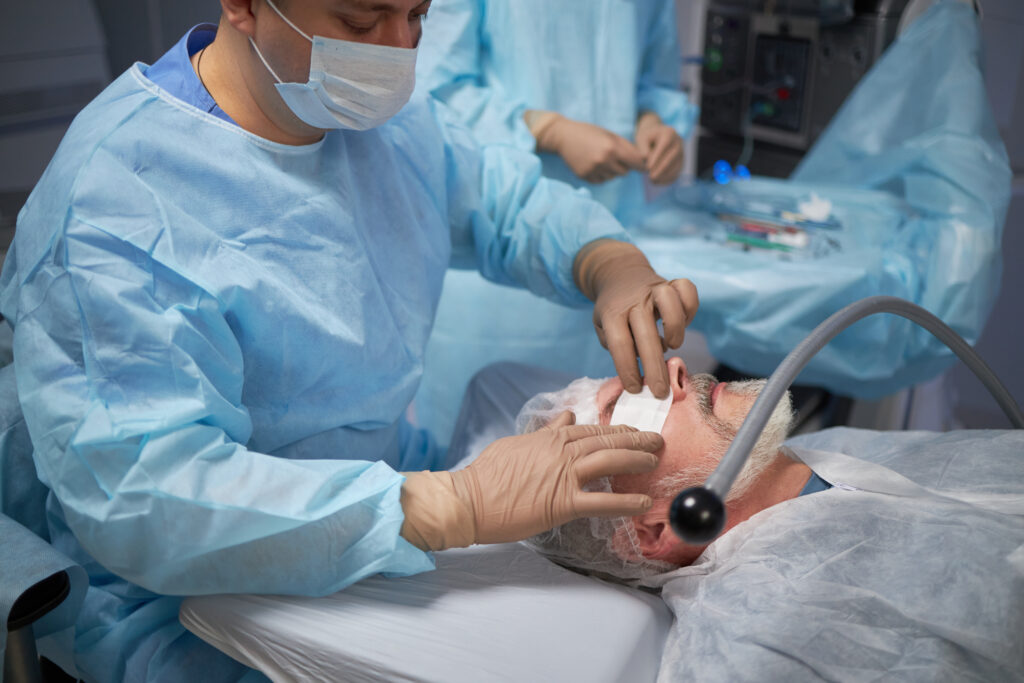

Cataract surgery is one of the most common and effective procedures for restoring clear vision and improving quality of life. During the operation, the clouded natural lens is replaced with a clear artificial lens, helping reduce glare, blurred vision and difficulty with daily tasks. Although the procedure is considered very safe, as with any surgery there are potential risks, including infection, inflammation or temporary visual disturbances. Outcomes are typically excellent, especially when performed by an experienced specialist using modern techniques. Understanding the process, benefits and recovery expectations can help you feel confident and prepared when considering cataract surgery.

Cataracts: Symptoms, Treatment Options and What to Expect from Cataract Surgery in Chesterfield
Cataracts Are One of the Leading Causes of Vision Problems
Cataracts are one of the most common causes of vision problems, particularly in adults over 60. Although they develop gradually, they can significantly affect everyday activities such as reading, driving, and recognising faces.
For patients in Chesterfield and the surrounding areas, modern cataract surgery offers a safe and highly effective way to restore clear vision and improve quality of life. If you are considering treatment, you can learn more about available options on our cataract surgery service page.
If you are experiencing blurred vision, glare from lights, or difficulty seeing at night, understanding cataracts and the available treatments is the first step towards better sight.
What Is a Cataract?
A cataract occurs when the eye’s natural lens becomes cloudy. In a healthy eye, the lens is clear and focuses light onto the retina, allowing you to see sharp images. When the lens becomes opaque, vision appears blurred, dim, or misty.
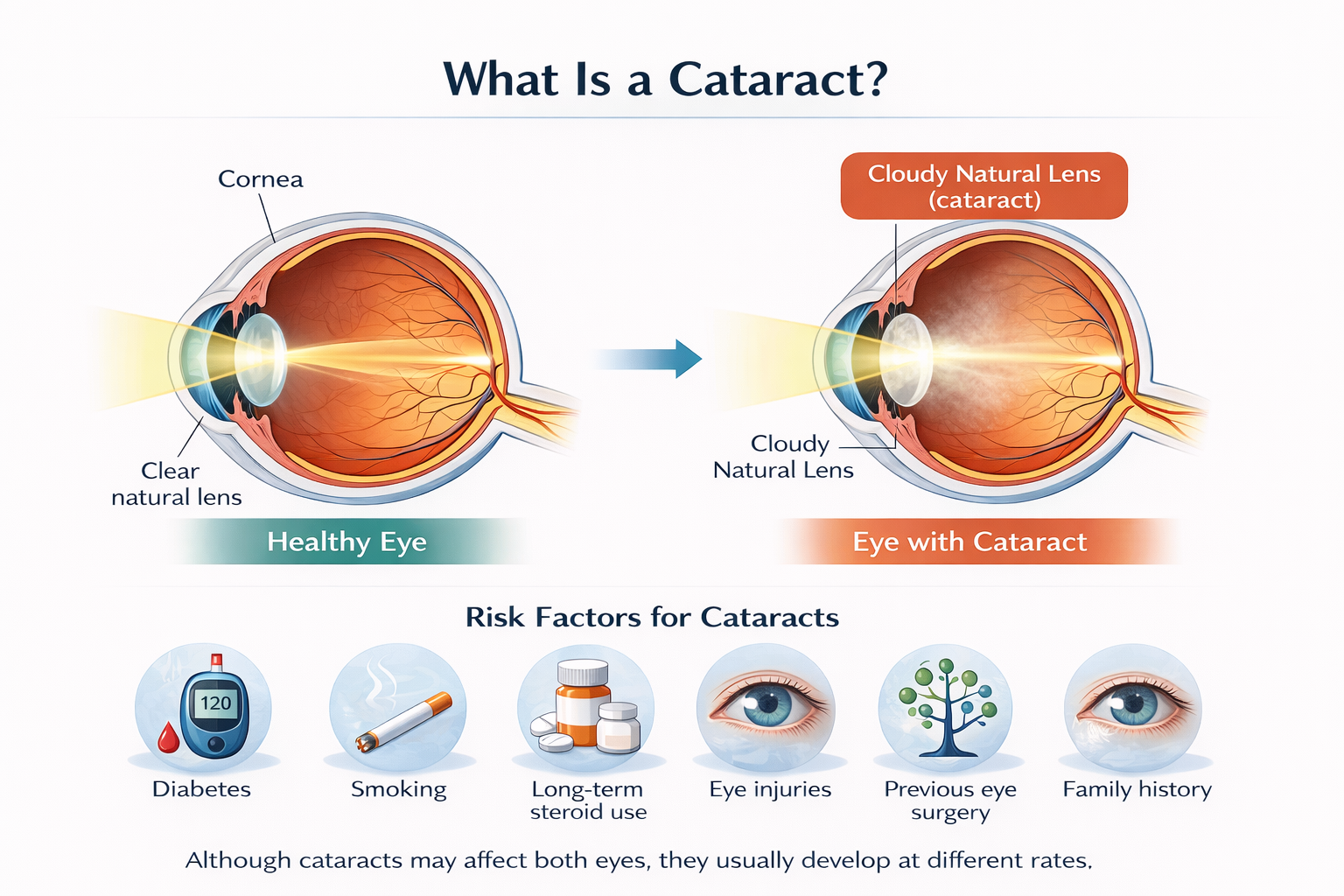
Cataracts typically develop slowly and most often occur as part of the natural ageing process. However, they can also result from other factors, including:
- Diabetes
- Smoking
- Long-term steroid use
- Eye injuries
- Excessive exposure to ultraviolet (UV) light
- Previous eye surgery
- Family history

Although cataracts may affect both eyes, they usually develop at different rates.
Cataract Symptoms
Many people do not notice cataracts at first because the changes in vision happen gradually. Over time, symptoms become more noticeable and can interfere with daily life.
Common cataract symptoms include:
- Blurred or cloudy vision
- Difficulty seeing at night
- Sensitivity to bright light
- Glare or halos around headlights
- Colours appearing faded or yellowed
- Frequent changes in glasses prescription
- Double vision in one eye

If driving at night has become challenging or bright sunlight feels uncomfortable, cataracts may be the cause.
Cataract Treatment Options
Currently, surgery is the only effective treatment for cataracts. Glasses or contact lenses cannot reverse the clouding of the lens.
Modern cataract surgery is a routine outpatient procedure with an excellent success rate. For many patients, treatment results in clearer vision than they have experienced for years.
Private Cataract Surgery
Some patients choose private cataract surgery to benefit from shorter waiting times, flexible appointment scheduling, personalised care, and access to advanced lens options. Treatment is led by an experienced consultant ophthalmologist, ensuring a high standard of specialist care throughout the process.
Private treatment can also allow you to tailor visual outcomes to your lifestyle, such as reducing dependence on glasses.
Signs You Need Cataract Surgery
Cataracts do not always require immediate removal. Surgery is usually recommended when vision loss begins to interfere with everyday activities.
Signs you may need cataract surgery include:
- Difficulty driving, especially at night
- Trouble reading or using digital devices
- Increased glare from lights
- Poor vision even with updated glasses
- Loss of confidence in daily activities
- Reduced independence
A specialist assessment will determine whether surgery is appropriate and the optimal time for treatment.
How Cataract Surgery Works
Understanding how cataract surgery works can help ease concerns about the procedure.
Cataract surgery involves removing the cloudy natural lens and replacing it with a clear artificial lens. The operation is usually performed under local anaesthetic, meaning you remain awake but comfortable.
Step-by-Step Procedure
- A tiny incision is made at the edge of the cornea
- Ultrasound energy breaks the cloudy lens into small fragments
- The fragments are gently removed
- A clear artificial intraocular lens is inserted
- The incision heals naturally without stitches
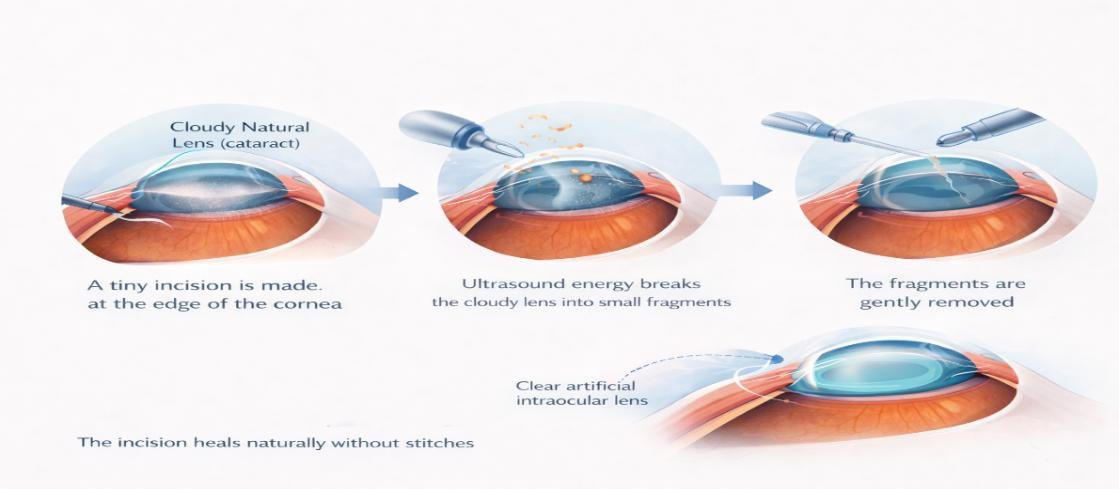
The procedure typically takes around 20–30 minutes, and patients return home the same day. In some cases, a follow-up laser treatment may be required months or years later to restore clarity, which can be treated quickly using a YAG laser procedure.
Intraocular Lens Implants (IOL)
During surgery, the cloudy lens is replaced with an artificial intraocular lens implant (IOL). Choosing the right lens is an important part of the treatment process.
Monofocal IOL
Provides clear vision at a single distance (usually far), though reading glasses may still be needed for close work.
Multifocal or Premium IOL
Provides both near and distance vision and may reduce reliance on glasses. Some patients also explore lens replacement surgery as an alternative option for correcting vision problems.
Your consultant ophthalmologist will recommend the most appropriate option based on your eye health and visual goals.
Is Cataract Surgery Painful?
Cataract surgery is generally painless. Anaesthetic eye drops numb the eye, and mild sedation may be offered to help you relax.
You may feel slight pressure during the procedure, but pain is uncommon. After surgery, some mild irritation or dryness is normal for a few days.
Recovery After Cataract Surgery
Recovery after cataract surgery is usually quick, with many patients noticing improved vision within 24 to 48 hours.
What to Expect
- Gradual improvement in vision
- Mild blurriness initially
- Sensitivity to light
- Eye drops to prevent infection and inflammation
- Temporary restrictions on strenuous activity
Most people resume normal activities within a few days, although complete healing typically takes four to six weeks.
Risks and Safety
Cataract surgery is one of the safest and most frequently performed surgical procedures worldwide, with a very high success rate.
Complications are uncommon but may include:
- Infection
- Inflammation
- Raised eye pressure
- Swelling at the back of the eye
- Posterior capsule opacification (treatable with laser)
Careful pre-operative assessment helps minimise risks and ensure the best possible outcome.
Benefits of Cataract Surgery
Beyond restoring clear vision, cataract surgery can significantly improve quality of life.
Patients often experience:
- Sharper, brighter vision
- Improved night driving ability
- Enhanced colour perception
- Reduced glare sensitivity
- Greater independence
- Increased confidence in everyday activities
Many people describe the results as life-changing.
When to See a Consultant Ophthalmologist in Chesterfield
If you are experiencing symptoms of cataracts, an expert assessment can determine whether treatment is needed and which options are most suitable for you.
You should consider seeking specialist advice if:
- Vision problems interfere with daily life
- Glasses no longer provide adequate correction
- Night driving has become difficult
- You notice persistent glare or halos
- Reading requires increasingly bright light
For patients in Chesterfield, you can book a consultation to discuss symptoms, treatment options, and personalised care with a specialist.
Early assessment allows you to plan treatment at the right time and achieve the best possible visual outcome.
Take the First Step Towards Clearer Vision
Cataracts are extremely common but highly treatable. With modern techniques and advanced lens options, cataract surgery offers safe and effective restoration of vision.
If symptoms are affecting your quality of life, early assessment can help you make informed decisions about treatment and regain confidence in your eyesight.
Clear vision allows you to enjoy everyday activities again from reading and driving to recognising loved ones and appreciating the world around you.
Frequently Asked Questions About Cataracts and Cataract Surgery
1. What does cataract surgery in Chesterfield involve?
Cataract surgery in Chesterfield typically involves removing the cloudy natural lens of the eye and replacing it with a clear artificial lens. The procedure is usually performed as a day case under local anaesthetic, allowing patients to return home the same day with minimal downtime.
2. What is a cataract and how does it affect vision?
A cataract is a clouding of the eye’s natural lens, which prevents light from focusing properly on the retina. This leads to blurred or dim vision, increased glare, and difficulty seeing clearly, particularly in low light.
3. What are the most common cataract symptoms?
Common cataract symptoms include blurred or cloudy vision, sensitivity to bright lights, glare or halos around headlights, faded colours, and difficulty seeing at night. Symptoms usually develop gradually over time.
4. What cataract treatment options are available?
The only effective cataract treatment option is surgery to remove the cloudy lens and replace it with an artificial one. Glasses or eye drops cannot reverse cataracts, although they may temporarily improve vision in early stages.
5. Why do some patients choose private cataract surgery?
Private cataract surgery offers shorter waiting times, flexible appointment scheduling, personalised care, and access to advanced lens options that may reduce dependence on glasses. Many patients choose private treatment to regain clear vision sooner.
6. What are the signs you need cataract surgery?
Signs you need cataract surgery include difficulty driving, especially at night, trouble reading, increasing glare sensitivity, and poor vision even with updated glasses. Surgery is usually recommended when vision problems affect daily life.
7. How does cataract surgery work?
Cataract surgery works by removing the cloudy natural lens using ultrasound technology and replacing it with a clear artificial lens. The procedure is precise, safe, and typically takes less than 30 minutes.
8. What is recovery after cataract surgery like?
Recovery after cataract surgery is usually quick. Many patients notice improved vision within one or two days, although full healing may take several weeks. Eye drops are prescribed to prevent infection and reduce inflammation.
9. What is an intraocular lens implant and why is it used?
An intraocular lens implant is a clear artificial lens inserted into the eye after the cloudy cataract lens is removed. It restores focusing ability and can be selected to improve distance vision, near vision, or both.
10. Why should I see a consultant ophthalmologist for cataracts?
A consultant ophthalmologist is a medically trained eye specialist with advanced expertise in diagnosing and treating eye conditions, including cataracts. Consulting a specialist ensures accurate assessment, personalised treatment planning, and high standards of care.
Selecting the appropriate surgeon for your cataract surgery is crucial in guaranteeing a favorable result. You may choose a surgeon with the necessary expertise and resources to deliver optimal care for your eyesight by conducting thorough research on credentials, carefully analyzing specializations, reviewing technological advancements, obtaining recommendations, and relying on your intuition. Remember that the objective is to have a successful surgical procedure and a great overall experience that results in enhanced eyesight and tranquility.
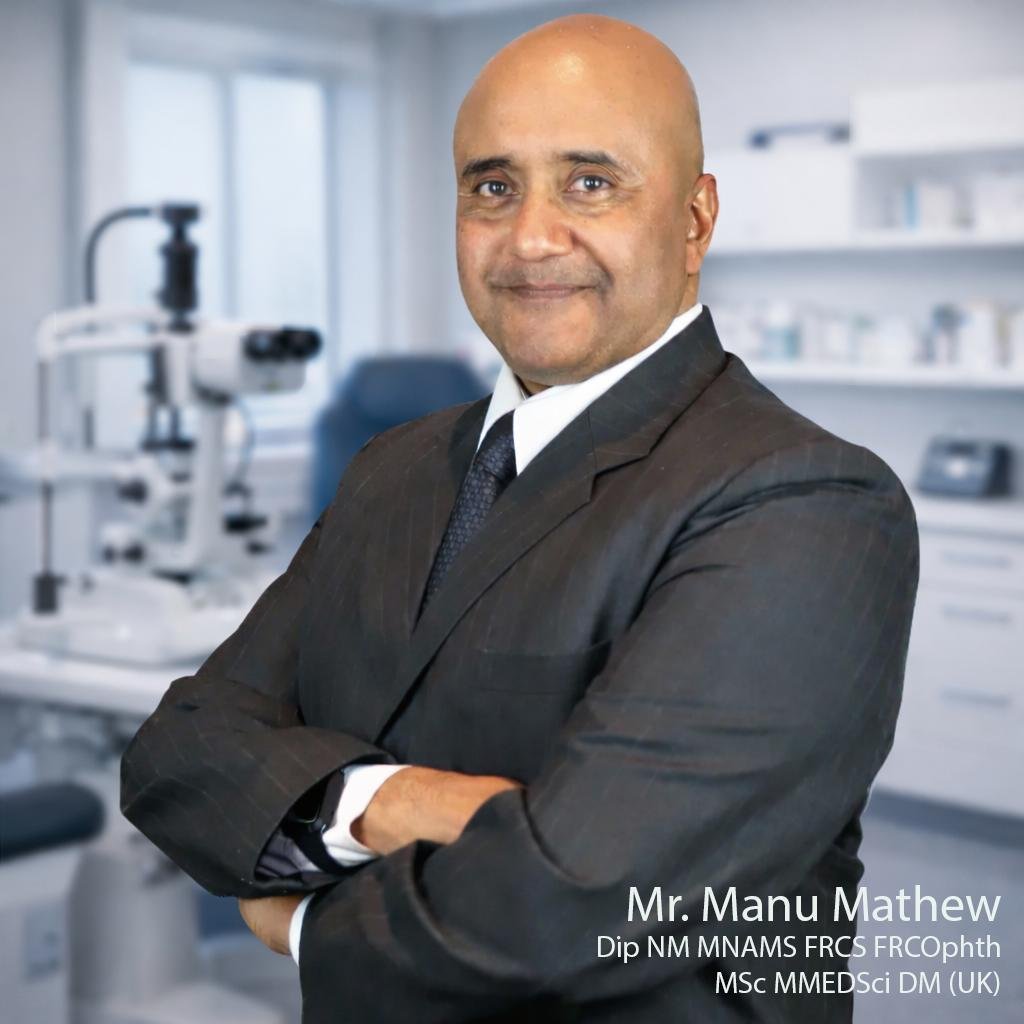
Manu Mathew is a specialist in cornea and glaucoma surgery, with a special interest in oculoplastic surgery, strabismus and medical retina.