
Book a Consultation

Share:

YAG Laser Treatment

YAG Laser Treatment: A Fast, Safe Way to Restore Clear Vision After Cataract Surgery

Cloudy vision after cataract surgery is often caused by posterior capsule opacification (PCO). YAG laser treatment is a quick, painless procedure that can restore clear sight in minutes with minimal downtime. Learn how it works, who it helps, and when to seek specialist care in Chesterfield.
YAG Laser Treatment

Cloudy vision returning after cataract surgery can feel worrying and frustrating. Many people expect their sight to remain clear long term, so when blur, glare, or haziness develops again, it can affect driving, reading, confidence, and everyday comfort.

In many cases, the cause is a very common and treatable condition called posterior capsule opacification, or PCO. The solution is a quick, painless laser procedure known as YAG laser treatment. This advanced treatment can restore clear vision without surgery, stitches, or lengthy recovery time.

For patients seeking specialist eye care in Chesterfield and surrounding areas, understanding this procedure could be the first step toward seeing clearly again. You can learn more about the clinic’s patient-centred approach on the Eagle Eye Care website.

What Is YAG Laser Treatment?


YAG laser treatment, also called YAG laser capsulotomy, is a non-invasive outpatient procedure used to treat cloudy vision caused by PCO after cataract surgery.

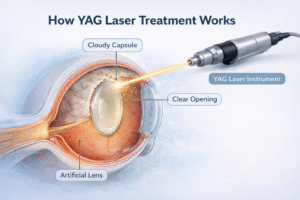
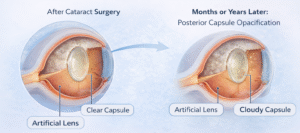
During cataract surgery, the eye’s natural lens is replaced with a clear artificial lens implant. This implant sits inside a thin membrane called the posterior capsule. Over time, the capsule can become cloudy due to normal cell growth, preventing light from reaching the retina properly.

A YAG laser creates a tiny opening in this cloudy capsule, allowing light to pass through again. Most patients experience rapid improvement in vision, often within hours.

If you want to understand how this treatment is delivered locally, the clinic provides a full explanation on its YAG laser treatment page, including procedure steps and recovery details.

Key benefits patients value most

  • No incisions or stitches
  • No surgical instruments entering the eye
  • Usually painless with numbing drops
  • Treatment completed in minutes
  • Fast return to normal activities
  • Long lasting results for most patients

Why Vision Can Become Cloudy Again After Cataract Surgery

Posterior capsule opacification is sometimes referred to as a secondary cataract, but it is not a new cataract forming. Instead, it is a change to the capsule behind the artificial lens implant.

PCO can develop months or even years after surgery and is one of the most common reasons for blurred vision after cataract treatment.

Patients who previously underwent cataract surgery can learn more about the original procedure and aftercare on the clinic’s cataract treatment page, which explains how the artificial lens is positioned and why the capsule remains.
PCO

Symptoms of PCO may include

  • Blurred or misty vision
  • Increased glare from headlights or sunlight
  • Halos around lights at night
  • Reduced contrast or faded colours
  • Difficulty reading small print
  • Feeling as though your cataract has returned

Many people initially assume they simply need new glasses, but if PCO is present, laser treatment is usually far more effective.
How YAG Laser Treatment Works

The procedure uses highly precise laser energy to create a small opening in the cloudy capsule behind the artificial lens. This opening acts like a clear window, allowing light to reach the retina without obstruction.

Step by step process

Eye preparation
Dilating drops widen the pupil, while anaesthetic drops keep the eye comfortable.

Laser application
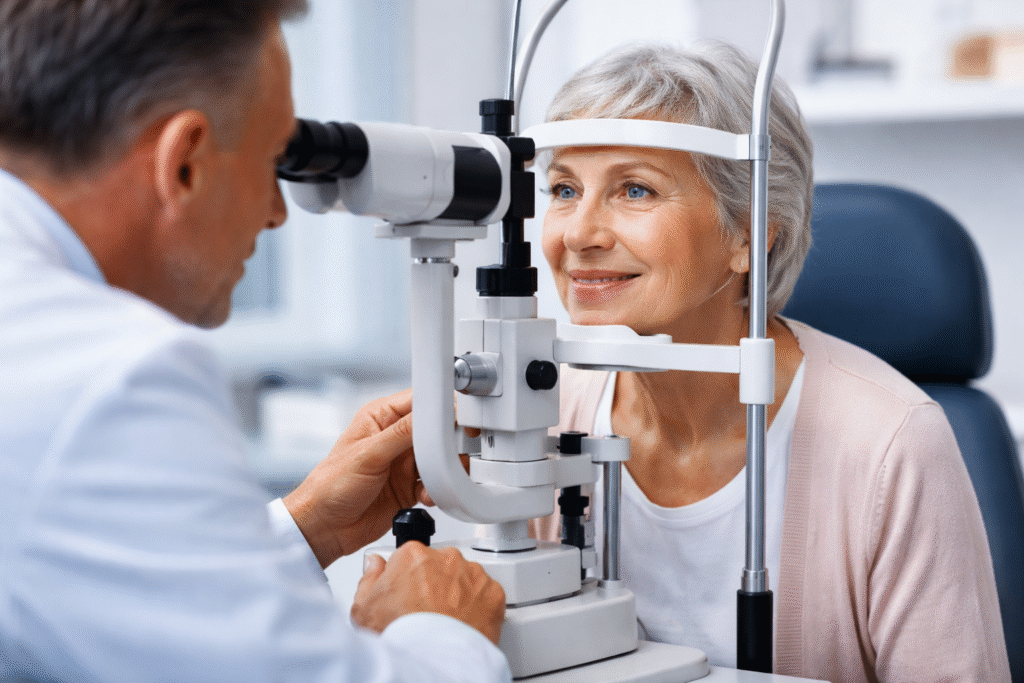
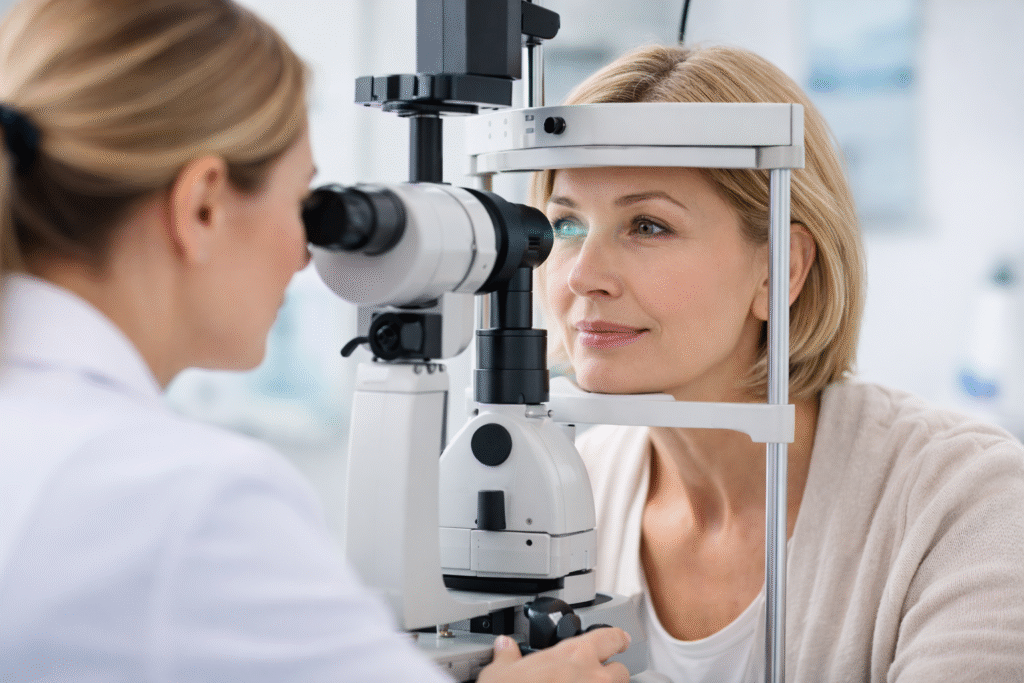
You sit at a microscope similar to the one used during routine eye examinations.

Creation of a clear opening
Short pulses of laser energy create a precise opening in the capsule without affecting the lens implant.

Rapid improvement
Once the obstruction is removed, light passes through normally again and vision clarity returns.

Who Is a Good Candidate?

You may benefit from YAG laser capsulotomy if you have had cataract surgery and are now noticing worsening vision due to PCO.

Suitable patients typically:

  • Previously underwent cataract surgery
  • Experience gradual clouding of sight
  • Struggle with glare or night driving
  • Find reading or screen use more difficult
  • Have been diagnosed with PCO during an eye examination

If you are unsure what is causing your symptoms, arranging a professional assessment is important. You can request a consultation directly through the clinic’s contact page.

What Happens During Your Appointment?

YAG laser treatment is performed as an outpatient procedure, meaning you can return home the same day.

Many patients travel from Chesterfield as well as nearby towns such as Dronfield, Matlock, Bolsover, Clay Cross, Bakewell, and Worksop because the procedure is quick and recovery is minimal.

Before treatment

Your eyes will be examined thoroughly to confirm the diagnosis and ensure the procedure is appropriate. The specialist will explain the process, benefits, and any potential risks.

Because dilating drops temporarily blur vision, arranging transport home is recommended.

During treatment

  • You remain seated throughout
  • No incisions or surgical tools are used
  • You may see flashes of light
  • The procedure is usually painless
  • Treatment typically takes five to ten minutes

Most patients are surprised by how simple and comfortable the experience is.

After treatment

You can usually leave shortly afterwards. Vision may be slightly blurred initially due to the drops but improves as they wear off.

Recovery and Aftercare

One of the major advantages of YAG laser capsulotomy is the minimal downtime compared with traditional eye surgery.

What to expect after treatment

  • Noticeable improvement in vision within hours or days
  • Mild floaters that gradually fade
  • Temporary sensitivity to bright light
  • Quick return to normal daily activities

Anti inflammatory drops may be prescribed, and a follow up visit ensures healing is progressing as expected.

Patients considering broader vision correction options can also read about lens replacement surgery, which may be relevant for long term independence from glasses.

Safety and Risks

Serious complications are uncommon. If you would like reassurance about the experience behind your care, you can meet the specialists on the clinic’s Our Team page, including consultant ophthalmologist Mr Manu Mathew.

Local Specialist Care Near Chesterfield

Choosing a clinic close to home offers practical benefits, especially when follow up visits may be required. Eagle Eye Care supports patients across Chesterfield and surrounding areas in North Derbyshire.

You can read more about the clinic’s philosophy and facilities on the About Us page.

Book Your Consultation

If your vision has become cloudy again after cataract surgery, a professional assessment can determine whether posterior capsule opacification is the cause and whether YAG laser treatment is right for you.

To arrange a consultation, visit the contact page.

Frequently Asked Questions About YAG Laser Treatment

What is YAG laser treatment used for?

YAG laser treatment restores clear vision after cataract surgery when the capsule behind the artificial lens becomes cloudy. This condition is called posterior capsule opacification (PCO). The laser creates a tiny opening in the cloudy membrane so light can pass through normally again.

Is YAG laser treatment painful?

No, YAG laser capsulotomy is generally painless. Numbing eye drops are used before the procedure, and most patients feel little to no discomfort. You may notice flashes of light, but the treatment is very quick.

How long does YAG laser treatment take?

The laser procedure itself usually takes 5 to 10 minutes. Including preparation and checks afterwards, the entire appointment is typically completed within about an hour.

How quickly will my vision improve after YAG laser treatment?

Many patients notice clearer vision within a few hours, although it can take one to two days for vision to fully stabilise. Temporary floaters may appear but usually settle within several days.

Is the result of YAG laser treatment permanent?

In most cases, yes. Once the cloudy capsule has been opened, it does not typically become cloudy again. The improvement in vision is usually long lasting.

Can posterior capsule opacification go away on its own?

No, posterior capsule opacification does not clear without treatment. Vision will usually remain blurred until the cloudy capsule is treated with YAG laser capsulotomy.

How do I know if I need YAG laser after cataract surgery?

You may need YAG laser treatment if your vision becomes cloudy again after cataract surgery, particularly if you experience glare, halos around lights, or difficulty reading. A specialist eye examination can confirm the diagnosis.

Is YAG laser treatment safe for older patients?

Yes, YAG laser treatment is considered very safe for older adults. It is commonly performed on patients in their 60s, 70s, and 80s because it is non-invasive and does not require general anaesthetic.

Will I still need glasses after YAG laser treatment?

YAG laser treatment restores clarity but does not change your prescription. You may still need glasses depending on your vision needs, although some patients find their existing glasses work better afterwards.

Can both eyes be treated with YAG laser?

Yes, both eyes can be treated if posterior capsule opacification develops in each eye. Usually, treatment is performed on one eye at a time to monitor recovery safely.

What are floaters after YAG laser treatment?

Floaters are small spots or thread-like shapes that may appear in your vision after treatment. They are common and usually temporary, fading over days or weeks as the eye settles.

How soon can I drive after YAG laser treatment?

You should not drive immediately after the procedure because dilating drops blur vision temporarily. Most patients can resume driving the following day once their sight has cleared and feels comfortable.

Is YAG laser treatment available on the NHS?

YAG laser capsulotomy may be available on the NHS, but waiting times vary by location. Many patients choose private treatment for quicker access and convenient appointment scheduling.

Selecting the appropriate surgeon for your cataract surgery is crucial in guaranteeing a favorable result. You may choose a surgeon with the necessary expertise and resources to deliver optimal care for your eyesight by conducting thorough research on credentials, carefully analyzing specializations, reviewing technological advancements, obtaining recommendations, and relying on your intuition. Remember that the objective is to have a successful surgical procedure and a great overall experience that results in enhanced eyesight and tranquility.

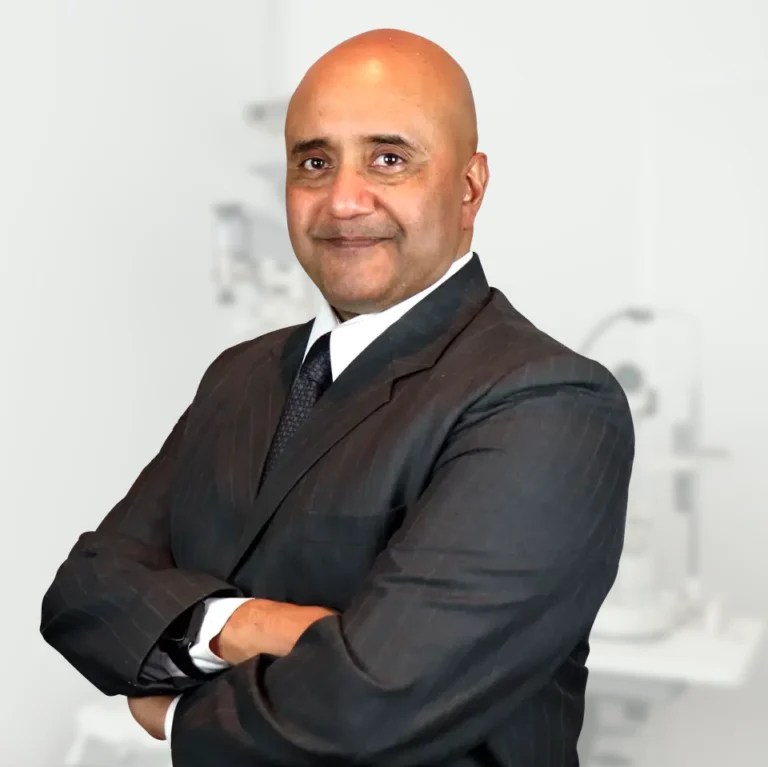
Manu Mathew is a specialist in cornea and glaucoma surgery, with a special interest in oculoplastic surgery, strabismus and medical retina. 

Meet the Author

sam@nexushealthcare.co.uk

sam@nexushealthcare.co.uk

Related Posts

Leave a Reply

Your email address will not be published. Required fields are marked *